Caligraphy Adds Romance and Elegance to Creative Projects
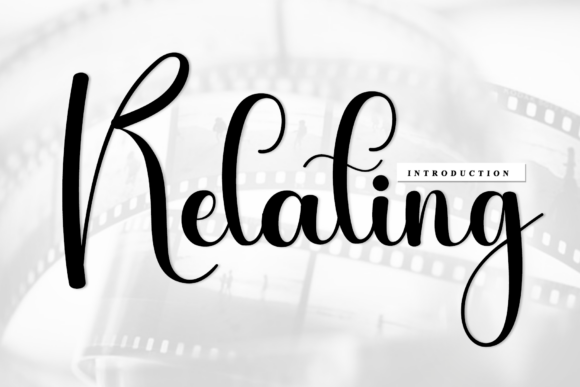
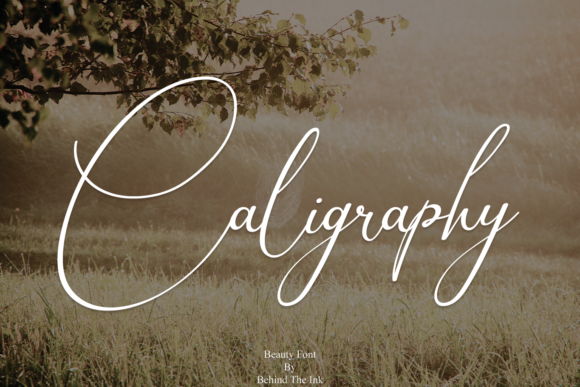
Caligraphy is more than just a font—it's an artistic expression that brings warmth, charm, and sophistication to any design. With its romantic and sweet calligraphy script, characters seem to dance along the baseline, creating a visual rhythm that captivates the eye. Whether you're designing wedding invitations, branding materials, or personal stationery, Caligraphy offers a luxurious spark that can elevate your creative projects.
The Art of Calligraphy in Modern Design
Calligraphy has been around for centuries, but its appeal remains timeless. In today’s digital world, where clean sans-serif fonts dominate, Caligraphy stands out as a unique option that adds personality and emotion to text. Its flowing curves and elegant strokes evoke a sense of nostalgia while still feeling fresh and contemporary.
For professionals and creatives looking to make a lasting impression, Caligraphy can be a powerful tool. It’s particularly well-suited for projects that aim to convey affection, elegance, or luxury—such as wedding cards, greeting cards, or branding for boutique businesses.
Why Caligraphy Matters in Creative Work
Using Caligraphy in your designs isn’t just about aesthetics—it’s about communication. The way text is presented can influence how it’s perceived. A font like Caligraphy can help your message feel more heartfelt, professional, or memorable, depending on the context.
For marketers and entrepreneurs, this can be especially valuable. Imagine using Caligraphy in a promotional email or social media post. It can create a sense of intimacy and care that might not be possible with more standard fonts. This emotional connection can lead to stronger engagement and better brand loyalty.
Who Benefits Most from Using Caligraphy?
Caligraphy is ideal for anyone who wants to add a touch of elegance and romance to their work. This includes:
- Wedding planners and event designers who need to create invitations and signage that feel special and personalized.
- Graphic designers working on branding projects that require a unique and memorable visual identity.
- Bloggers and content creators looking to enhance their website headers or newsletter titles with a more expressive style.
- Small business owners aiming to differentiate their brand through thoughtful typography choices.
These professionals often find that Caligraphy helps them stand out in a crowded market by adding a layer of sophistication and authenticity to their work.
Practical Applications of Caligraphy
One of the best things about Caligraphy is its versatility. While it’s often associated with romantic themes, it can also be used in a wide range of practical applications. For example:
- Branding and logos: The fluidity of Caligraphy can make a logo feel more dynamic and approachable. It works especially well for businesses in the fashion, beauty, or lifestyle industries.
- Event invitations: Whether it's a wedding, birthday, or corporate event, Caligraphy can give invitations a personalized and elegant look that guests will remember.
- Product packaging: Brands that want to convey a sense of luxury or exclusivity can use Caligraphy on labels, tags, or product boxes to enhance the overall experience.
- Digital content: Bloggers and social media managers can use Caligraphy in headlines, captions, or quotes to add visual interest and draw attention to key messages.
In each of these scenarios, the goal is to create something that feels intentional and meaningful. Caligraphy supports that by offering a font that feels both beautiful and purposeful.
How to Use Caligraphy Effectively
To get the most out of Caligraphy, it’s important to consider how it fits within the overall design. Here are a few tips for using it effectively:
- Pair it with complementary fonts: Caligraphy works best when paired with simpler, more structured fonts. This contrast can help keep the design balanced and readable.
- Use it sparingly: Because of its ornate nature, Caligraphy should be used in moderation. Too much can overwhelm the reader, so it’s best to focus on key elements like headings or signatures.
- Consider legibility: While Caligraphy is visually appealing, it may not be the best choice for long blocks of text. Always ensure that the text remains easy to read, even in smaller sizes.
By following these guidelines, you can ensure that Caligraphy enhances your design without compromising clarity or functionality.
Limitations and Considerations
While Caligraphy is a powerful tool, it’s not suitable for every project. For instance, it may not be the best choice for technical documents, legal forms, or anything that requires strict readability standards. In these cases, a more straightforward font would be more appropriate.
Additionally, because of its decorative nature, Caligraphy may not be compatible with all design software or platforms. Before using it in a project, it’s a good idea to check the font’s licensing terms and compatibility with your tools.
It’s also worth noting that while Caligraphy can add a romantic and elegant feel to a design, it’s not always the right fit for every audience. Understanding your target demographic and what they expect from your content is essential before making a final decision.
Final Thoughts on Caligraphy
Caligraphy is more than just a font—it’s a way to express creativity, emotion, and individuality through typography. Whether you’re designing for a client, personalizing a gift, or enhancing your own creative projects, Caligraphy offers a unique opportunity to add a touch of elegance and romance to your work.
By understanding its strengths and limitations, you can use Caligraphy effectively to support your goals and create designs that leave a lasting impression. As with any design choice, the key is to use it thoughtfully and intentionally, ensuring that it serves the purpose of your project and resonates with your audience.